Tree-box Checking on Police Not Used in Suburbs
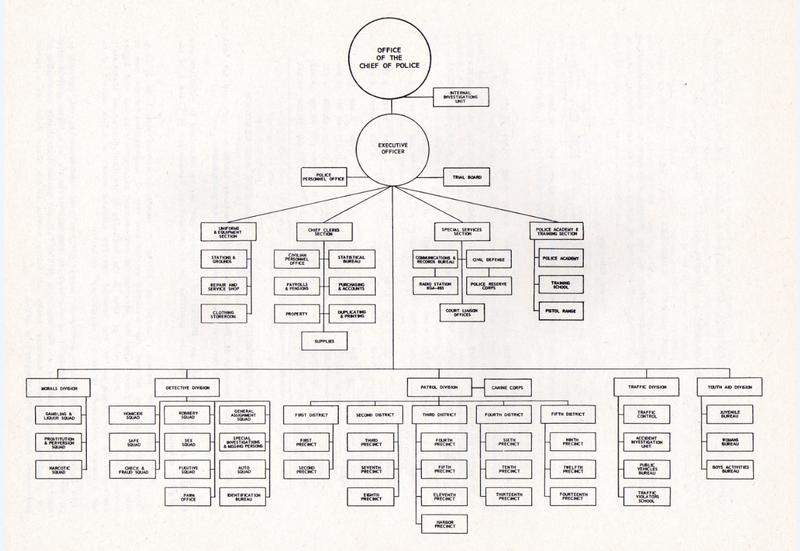
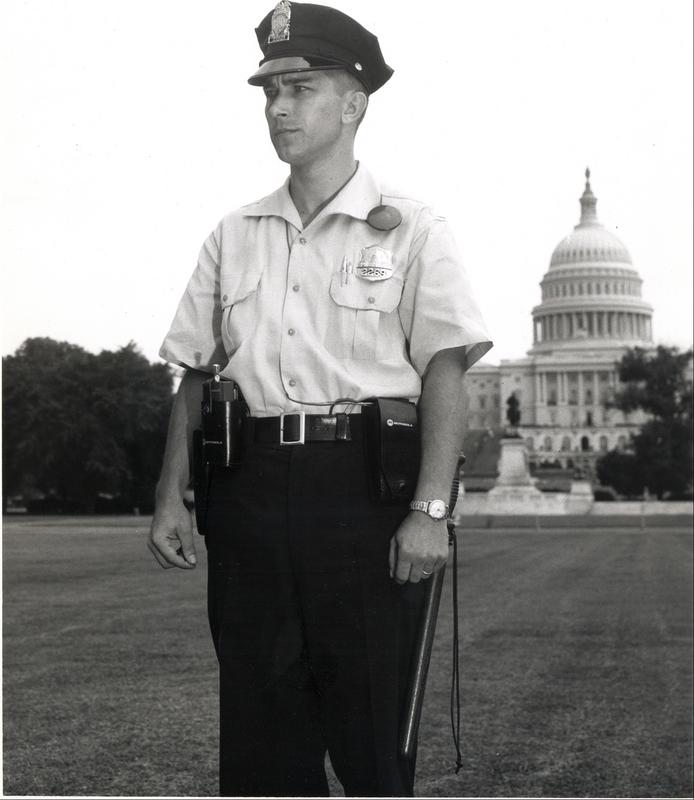
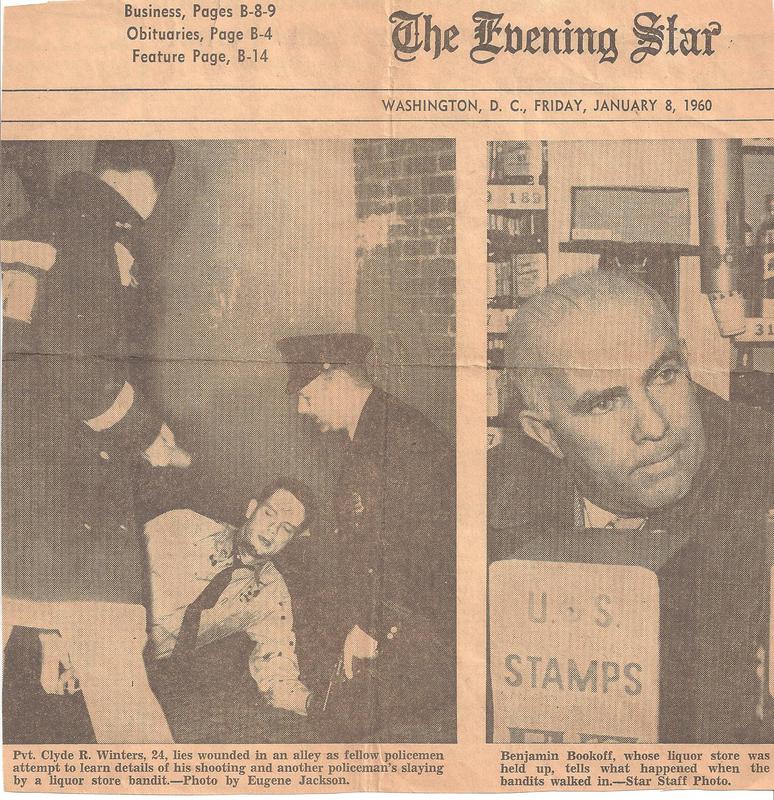
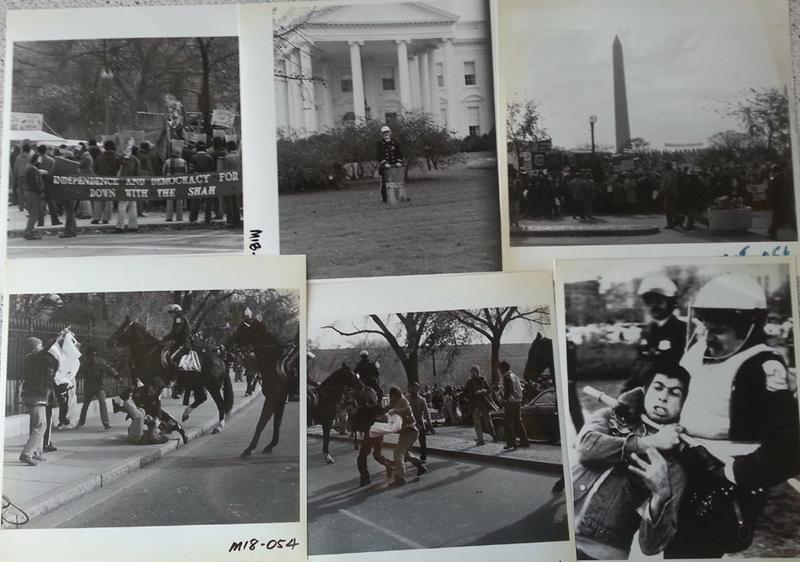
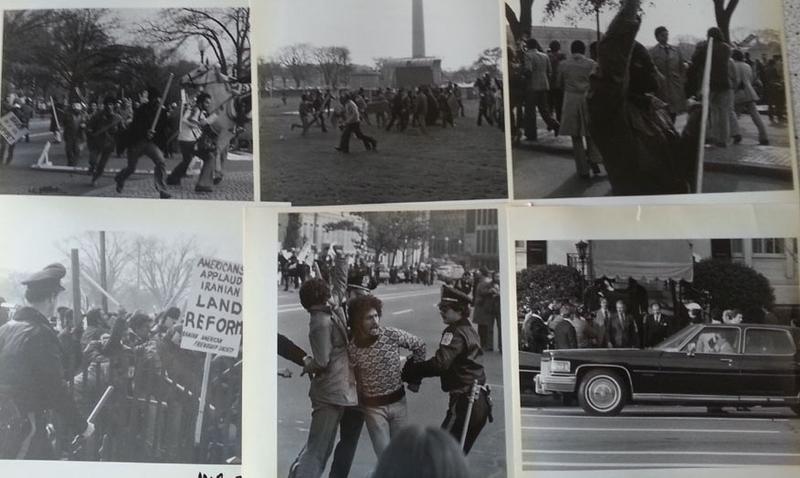
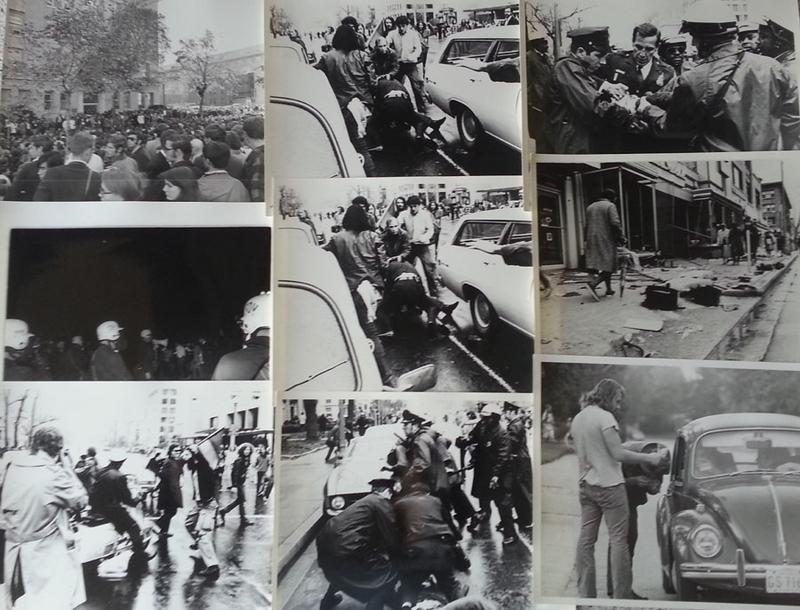
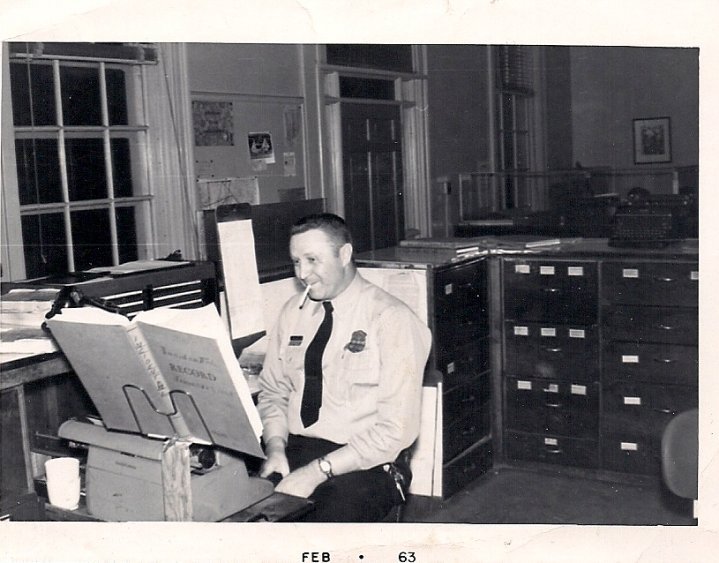
The District of Columbia’s police force is comprised of 2,800 officers who are closely monitored by their supervisors. This practice, informally known as “treeboxing,” involves observing officers from hidden vantage points. Surrounding counties, with over 1,000 officers serving most of the Washington area’s population, do not use these methods.
A recent incident drew attention to the differing procedures when a Montgomery County officer fatally shot an individual, he claimed was about to throw a piece of pavement at him. The officer was suspended for a day and reassigned to station duties. Any charges against the officer will be determined following a grand jury investigation.
In the District, any officer involved in a fatal shooting is immediately suspended until a coroner’s jury absolves them of wrongdoing. During this period, the officer’s weapon and badge are taken, the ammunition is inventoried, and a comprehensive investigation is carried out. If it is concluded that the officer acted within the appropriate guidelines, they will be reinstated with full pay. This protocol is not followed by the neighboring counties.
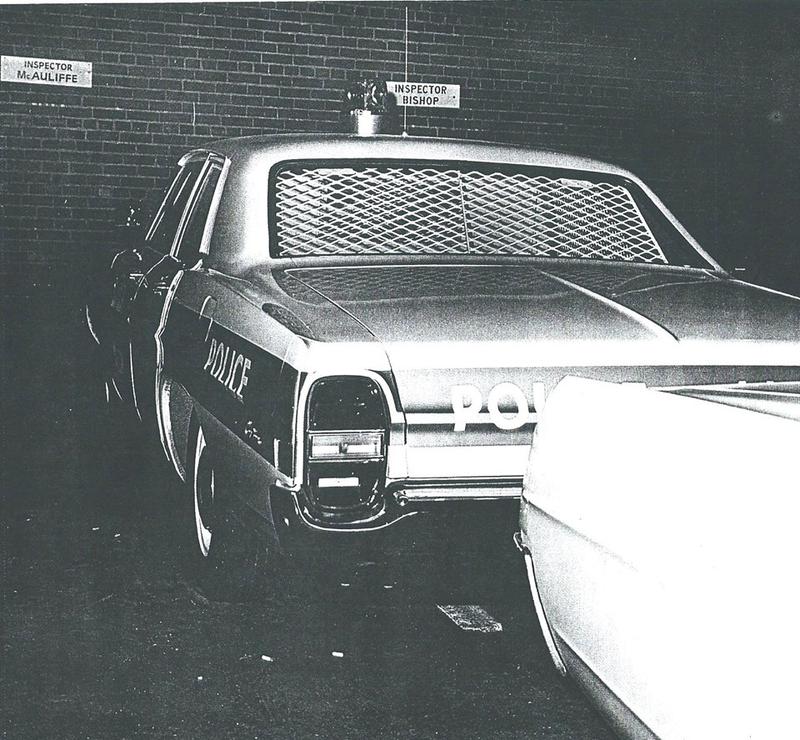
Colonel James McAuliffe, Superintendent of Montgomery County Police, stated, “I believe there is a stigma associated with suspending an officer. We conduct full investigations in such cases, but unless there is a significant error in judgment, I prefer to relieve the officer of duty without confiscating their badge and gun.”
The suburban areas lack an equivalent to the District’s Independent Investigations Squad, which operates within the Police Department under Deputy Chief John B. Layton and focuses on investigating police corruption. Chiefs in the suburbs, overseeing forces ranging from 131 officers in Alexandria to 347 in Montgomery County, argue that there is minimal need for such specialized units.
Fairfax County Police Chief William L. Durrer mentioned, “If a serious issue arises, I handle it personally. The last instance of this nature occurred over ten years ago, involving a police officer suspected of protecting an illegal abortion operation.”
Should the situation necessitate disciplinary action, responsibility typically falls to line commanders. While all suburban police departments have internal tribunals similar to the District’s trial board, it is not mandatory for certain offenses to be presented before a trial board, unlike in the District. In the Metropolitan Police Department, a trial board composed of three senior officers’ reviews cases that could result in penalties exceeding $50. For lesser infractions, officers may request a summary trial before their commanding officers.
The process works differently in suburban areas. Officers may request a trial board hearing, or the police chief may mandate one. However, these procedures are less clearly defined, and serious offenses may be adjudicated at the discretion of the police chiefs, with officers then subject to standard civil or criminal proceedings.
Since January 1, 1962, there have been thirty-five cases recommended for trial board action in the District and six summary trial boards conducted by station commanders, predominantly concerning officers who have fallen into debt.
Tree-box Checking on Police Not Used in Suburbs
By Tony Gieske Staff Reporter
The Washington Post, Times Herald (1959-1973); Jun 11, 1962;
ProQuest Historical Newspapers: The Washington Post
pg. B1